






In recent years, there’s been a growing shift toward healthier, more sustainable food choices—and one grain group that’s gaining the attention it deserves is millets. These ancient grains, once a staple in traditional diets across Asia and Africa, are now making a comeback in modern kitchens. So, why should you include millets in your daily diet? Let’s break it down.
Nutritional Powerhouse
Millets are rich in essential nutrients. They’re packed with fiber, protein, and complex carbohydrates, making them an excellent choice for sustained energy release and improved digestion. Unlike refined grains, millets are gluten-free, making them ideal for those with gluten intolerance or celiac disease.
Each variety of millet offers unique health benefits:
- Finger millet (Ragi) is high in calcium, great for bone health.
- Foxtail millet supports heart health with its low glycemic index.
- Pearl millet (Bajra) is loaded with iron and helps combat anemia.
- Little millet and Kodo millet are known for their detoxifying properties.
Good for Blood Sugar and Weight Management
One of the most significant advantages of millets is their low glycemic index (GI), which helps in maintaining stable blood sugar levels. Unlike white rice or refined flour, millets don’t cause sudden spikes in blood sugar. This makes them especially beneficial for people with diabetes or those trying to manage their weight.
Millets are also high in dietary fiber, which keeps you full longer, reduces unnecessary snacking, and supports healthy weight loss.
Environmentally Sustainable
Millets are not only good for your body but also for the planet. They require less water, grow well in arid conditions, and are naturally resistant to pests—making them ideal for sustainable agriculture. As climate change continues to affect food production, millets provide a more resilient and eco-friendly alternative to resource-intensive crops like rice and wheat.
Easy to Cook, Versatile to Use
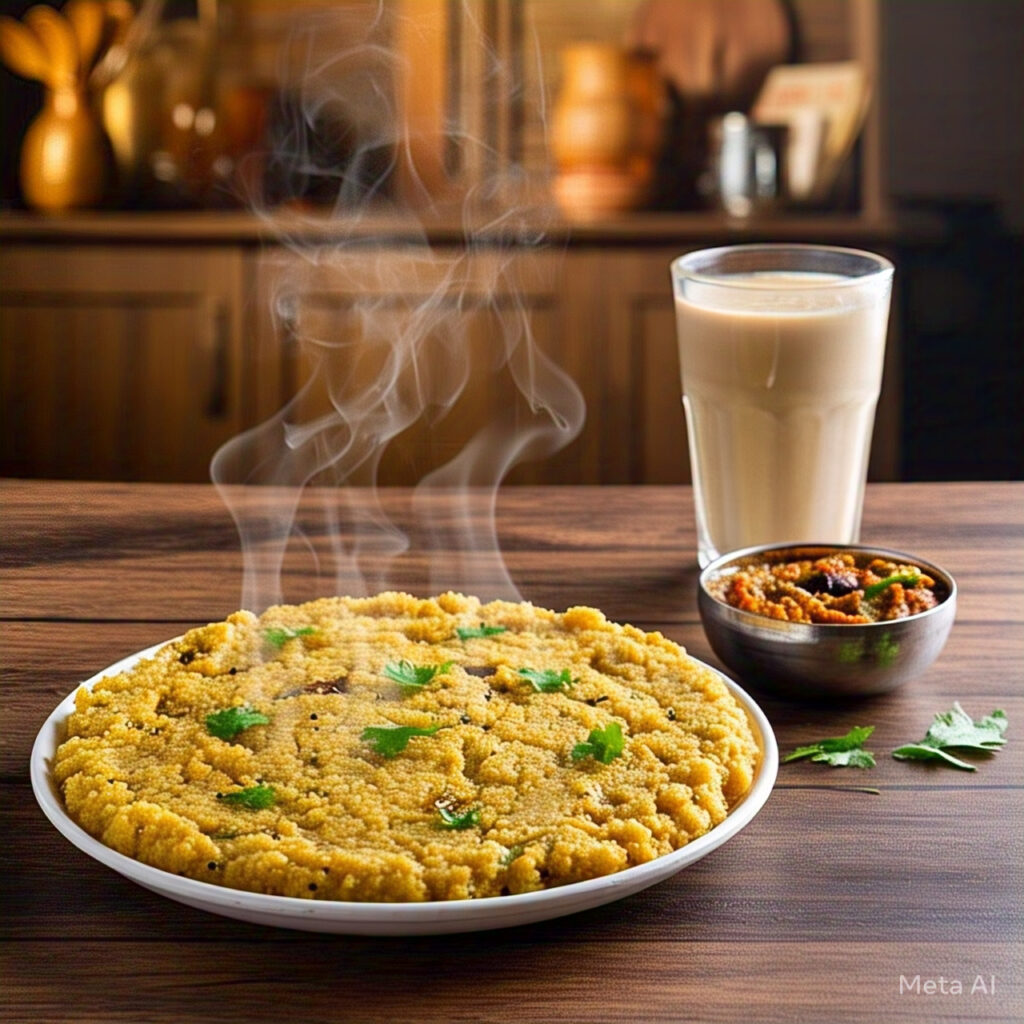
Many people are hesitant to switch to millets, thinking they are difficult to prepare or lack taste. In reality, millets are extremely versatile. You can use them to make porridge, upma, pulao, salads, rotis, and even baked goods. They can easily replace rice or couscous in most recipes with minimal changes.
You can start small—swap out rice for millet a couple of times a week or add millet flour to your baking recipes. Over time, you’ll not only develop a taste for them but also notice their health benefits.
A Return to Our Roots
Incorporating millets in our diet is not just a trend—it’s a return to a more balanced, nutritious, and traditional way of eating. Our ancestors thrived on these grains for centuries, and modern science now confirms their numerous health advantages.
Final Thoughts
Whether you’re looking to boost your nutrition, manage your weight, stabilize your blood sugar, or make environmentally conscious choices, millets offer a simple yet powerful solution. Including them in your daily diet is a small change that can lead to big results—for your health and the planet.
So the next time you plan your meals, consider adding a bowl of millet to your plate. Your body—and the Earth—will thank you.
